

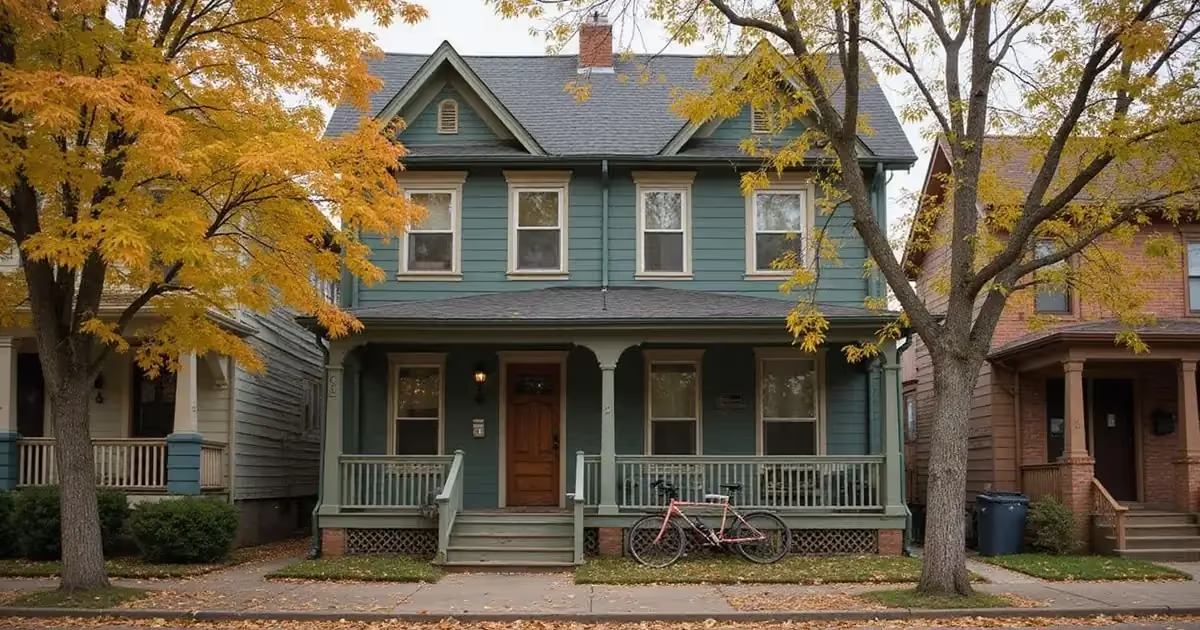
How does rent stabilization affect selling a St. Paul rental?
St. Paul voters approved rent stabilization in 2021, and it caps most rent increases at 3% in any 12 months. The city has changed it several times since, adding exemptions and rules for vacant units.
For a landlord, it mostly matters at two moments: every lease renewal, and when you sell. Buyers value rentals on income, and a cap on income growth changes what some of them will pay. Deciding whether to sell a rental property? Start with how a buyer would price yours.
The ordinance keeps changing, so check what applies now with the City of St. Paul.
The basics
- Yearly cap. Most increases can’t go over 3% in any 12 month period without going through the city.
- Exemptions and exceptions. Buildings that got their first certificate of occupancy after 2004 are exempt, and so is some income restricted housing. You can also ask for a bigger increase if you need it to cover your costs or to earn a fair return.
- Vacancy rules. When a unit opens up for one of the reasons the ordinance lists (it calls these just cause vacancies), rent can go up by inflation plus 8%.
- Bigger increases. An increase between 3% and 8% can go through self-certification with the city. Anything higher needs a decision from city staff.

What it does to buyers and price
| Your property | How investors will likely react |
|---|---|
| Rents already near market | Smaller effect, since the income is already there |
| Rents well below market, tenants who’ve stayed for years | Bigger effect, since you can’t raise rents much |
| Exempt from the cap | Less effect, but confirm it and get it in writing |
| Vacant at sale | More buyer options, depending on current vacancy rules |
| Buyer likely to live there (duplex, single family) | Less effect, since they’re not buying for the rent |
St. Paul DSI
The Department of Safety and Inspections runs rent stabilization, rental inspections and code enforcement. Every St. Paul rental that isn’t owner occupied needs a Fire Certificate of Occupancy, and DSI inspects for it. Buyers will ask about open code orders, the certificate and your inspection history. Get your file in order before listing.
Giving tenants notice
A sale usually leaves existing leases in place. St. Paul requires 60 days’ notice before an eviction for covered nonpayment notices from May 14 through December 31, 2026. The city says the period returns to 30 days on January 1, 2027; confirm the rules in effect before serving notice.
Within 60 days, you either pass each security deposit (with interest) to the buyer and tell the tenant, or refund it to the tenant. Showings need at least 24 hours’ notice, between 8 a.m. and 8 p.m.
St. Paul has its own Truth in Sale of Housing report too. It usually covers houses, duplexes, townhomes and condos. The evaluation has to be done before marketing, and the report has to be available within three calendar days of listing. A condo with its own parcel number needs a report even in a larger building. Buildings with three or more units that don’t have individual parcel numbers are usually exempt.
How investors run the numbers on a St. Paul rental
Most buyers of occupied St. Paul rentals are investors, and they price on income. Here’s a simple version of their math:
| Line | Example duplex |
|---|---|
| Current rents (both units) | $2,500 per month |
| Set aside for empty months and unpaid rent | -5% |
| Taxes, insurance, utilities paid by owner | -$750 per month |
| Upkeep and savings for big repairs | -$375 per month |
| Income after costs | About $1,250 per month |
If rents can rise to market over a few years, that income grows and so does what the investor will pay. But when rent stabilization limits how fast rents can rise on your units, the investor has to price in slower growth. That’s why buildings with longtime tenants paying well below market often take the biggest hit. A vacant unit or a documented exemption can make a real difference.
What helps your price: current leases, a clean rent roll, and proof of approved increases or exemptions. A current Fire Certificate of Occupancy and no open code orders help too. Pull those together before you talk to any buyer.
Your options
- Keep renting, raise rents within the rules, and hold on.
- Sell occupied to an investor, priced on current rents.
- Sell vacant after leases end, to investors or buyers who’ll live there.
- Sell to us as is with tenants in place, including buildings with repairs that have piled up or DSI orders.
- Contract for deed to a buyer who pays you monthly.
Torn about selling? Run the numbers in our sell or keep renting guide. Ryan will walk you through each path using your current rents, the ordinance and any exemption.
This guide is general information, not legal, tax or financial advice. For your own situation, talk to a Minnesota attorney or tax professional.