


What does “as is” really mean in Minnesota?
“As is” means you won’t fix anything. It doesn’t mean you can stay quiet about problems you know about. Minnesota’s seller disclosure law, Minn. Stat. 513.52 to 513.60, still applies to most home sales, including sales to cash buyers. When you sell to a cash buyer like us, the purchase agreement will say “as is,” and we’ll still ask you what you know.
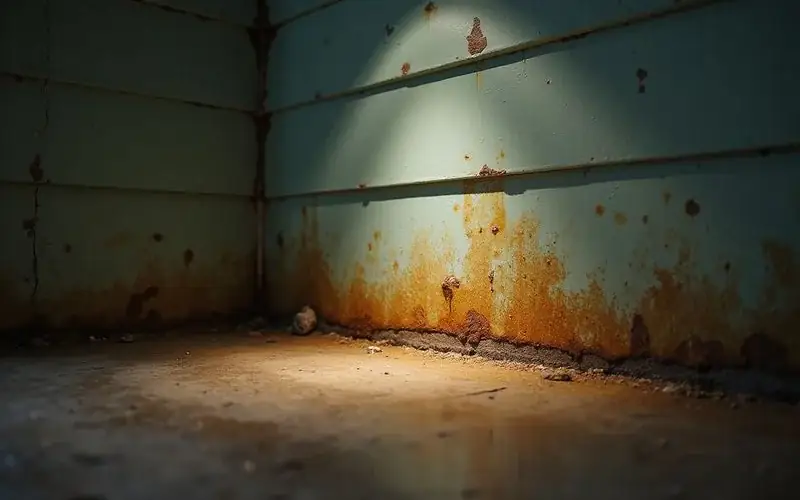
Here’s the thing: disclosing a problem to us doesn’t kill the deal. We price repairs into the offer. Telling us about the water in the basement only makes the number more accurate.
What the law says you have to do
Before you sign a purchase agreement, you must tell the buyer in writing what you know. That means anything that could seriously affect their use or enjoyment of the house. The law calls these material facts. And if the buyer told you how they plan to use it, anything that affects that use counts too.
In practice, most sellers use the standard Minnesota seller’s disclosure form. It walks through the roof, foundation, basement water, plumbing, electrical, heating, pests, environmental issues and more.
Other ways to handle the disclosure
Minnesota law gives you two other ways to go instead of the standard disclosure:
Scroll to compare
| Option | How it works | What to watch for |
|---|---|---|
| Standard disclosure | You fill out the disclosure statement | Answer from what you actually know |
| Qualified third party inspection | A written report from a qualified inspector can take the place of your disclosure for the items it covers | It has to meet what the law spells out |
| Written waiver | Buyer and seller agree in writing to skip the general disclosure | You may still owe some separate disclosures |
Some transfers are exempt too, like sales ordered by a court, foreclosures and transfers to heirs (Minn. Stat. 513.54). If you’re the personal representative (the executor) selling a parent’s house you never lived in, you only have to disclose what you know. Ask your attorney how the rules apply to you.
Disclosures that live outside the main form
These are separate Minnesota rules, and “as is” doesn’t make them go away:
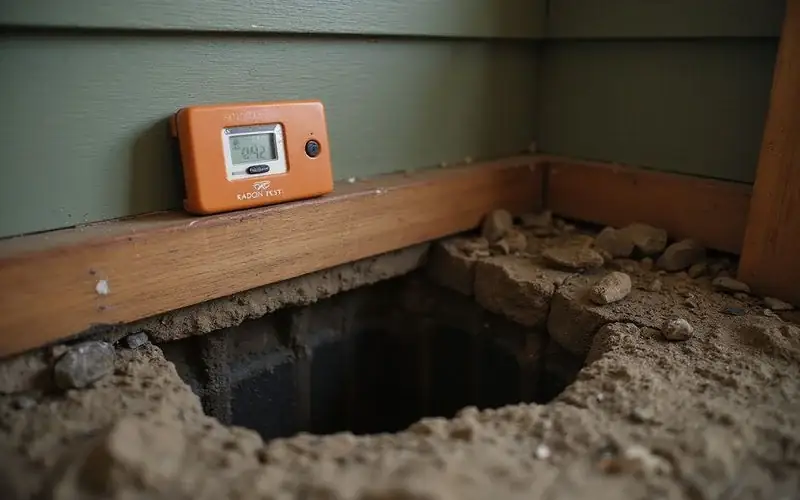
- Radon. Minnesota makes sellers share known radon test results and give buyers a radon warning statement.
- Wells. You have to say if you know of any wells on the property. If there is one, a well disclosure certificate goes with the deed.
- Sewer and septic. You have to tell the buyer how the house handles sewage. With a septic system, some counties make you get a compliance inspection at sale.
- Meth lab history. If you know about it, you have to disclose it.
- Point of sale evaluations. Minneapolis Truth in Sale of Housing and St. Paul’s evaluation are city rules, not the state form. Both are due around the time you list, before buyers walk through.
A plain rule of thumb
If you’d want to know it before buying the house, and you know it, say it. Then let the price reflect it.
What selling as is does cover
An as-is clause means the buyer is taking the house in its current condition. You won’t make repairs, give repair credits or reopen the price over things you disclosed or that the buyer could see. It helps protect you from arguments about condition after closing.
Hide something you knew about, though, and it won’t protect you. Minnesota law lets a buyer sue a seller who didn’t disclose known material facts, for up to two years after closing (Minn. Stat. 513.57).
How we handle disclosure when we buy for cash
When we buy a house for cash, Ryan asks what you know during the walkthrough, and you fill out the disclosure paperwork with his help. He walks the house with you, too. Anything either of you finds goes into Jordan’s repair estimate, and that estimate goes into the offer, line by line.
That’s why disclosure isn’t scary with us. Tell us about the foundation crack, the ice dams, the old fuel tank. We buy houses with worse. If a major issue like foundation problems has scared regular buyers off, a cash sale may be your simplest way out. If you’re listing instead, Ryan goes through the form with you. You disclose what you must and don’t guess at what you don’t know.
If your situation is unusual, like a lawsuit or an estate where nobody in the family knows the house’s history, talk to a real estate attorney.
This guide is general information, not legal, tax or financial advice. For your own situation, talk to a Minnesota attorney or tax professional.